Why durability research is accelerating — and which materials are proving most effective.
Modern construction is undergoing a major shift. Because climate conditions are becoming more extreme and unpredictable, researchers and builders are focusing on materials that can withstand storms, heat, flooding, wildfires, and long‑term environmental stress. This applies not only to new buildings, but also to retrofitting older structures so they remain safe and functional.
The studies highlighted in your search results show a clear trend: durability now means climate resilience.
Why Climate‑Resistant Materials Are Needed
According to recent analyses:
Climate change is increasing storm intensity, including hurricanes, tornadoes, and heavy rainfall.
Rising temperatures and heat waves are stressing building envelopes and HVAC systems.
Flooding and sea‑level rise require water‑resistant foundations and materials.
Wildfires demand fire‑resistant exterior materials and assemblies.
Storms are becoming more severe and frequent, requiring stronger, sustainable materials.
Extreme weather causes structural damage, water intrusion, roof failures, and window breakage.
This is why so many studies now focus on materials that can resist wind, water, heat, fire, and impact.
Key Materials Improving Durability in Modern Construction
Below is a synthesis of the most climate‑resilient materials identified across the research.
1. Insulated Concrete Forms (ICFs)
Combines concrete with rigid foam insulation.
Highly resistant to wind, fire, flooding, and temperature extremes.
Provides superior thermal performance and structural strength.
Highlighted as one of the most durable materials for climate‑resilient homes.
Many studies are taken place to best improve the durability of modernized old and new construction commercial and residential buildings. These studies include materials necessary to resist varying catastrophic and harsh climate conditions.
1. Structural Materials
These form the backbone of any building—whether a home, office, or industrial facility.
Concrete
Most widely used material for foundations, slabs, columns, beams, and floors.
Strong, durable, moldable, and cost-effective.
Made from cement, water, sand, and aggregates.
Source: Concrete is consistently listed as the top essential material.
Steel
Used for reinforcement (rebar), framing, beams, and large-span structures.
High tensile strength and flexibility—critical for commercial buildings.
Source: Steel is highlighted as a key structural material.
Wood
Common in residential framing, flooring, roofing, and interior finishes.
Renewable, lightweight, and naturally insulating.
Source: Wood is a core material for residential and light commercial builds.
Bricks & Blocks
Used for walls, partitions, facades, and load-bearing structures.
Fire-resistant and thermally efficient.
Includes clay bricks, concrete blocks, and formwork blocks.
Source: Concrete blocks and formwork blocks are essential items in modern construction lists.
2. Foundation & Earthwork Materials
Aggregates (Sand, Gravel, Crushed Stone)
Used in concrete mixes, mortar, drainage layers, and site leveling.
Also used directly as underlays for slabs and landscaping.
Source: Aggregates are essential for forming, filling, and shaping.
Cement & Binders
Cement acts as the binder in concrete and mortar.
Other binders include natural resins and lime.
Source: Binders are listed as core construction materials.
3. Exterior Envelope Materials
These materials protect the building from weather and define its appearance.
Glass
Used for windows, facades, skylights, and storefronts.
Modern glass options include tempered, laminated, insulated, and low‑E.
Source: Glass is indispensable for light-filled buildings.
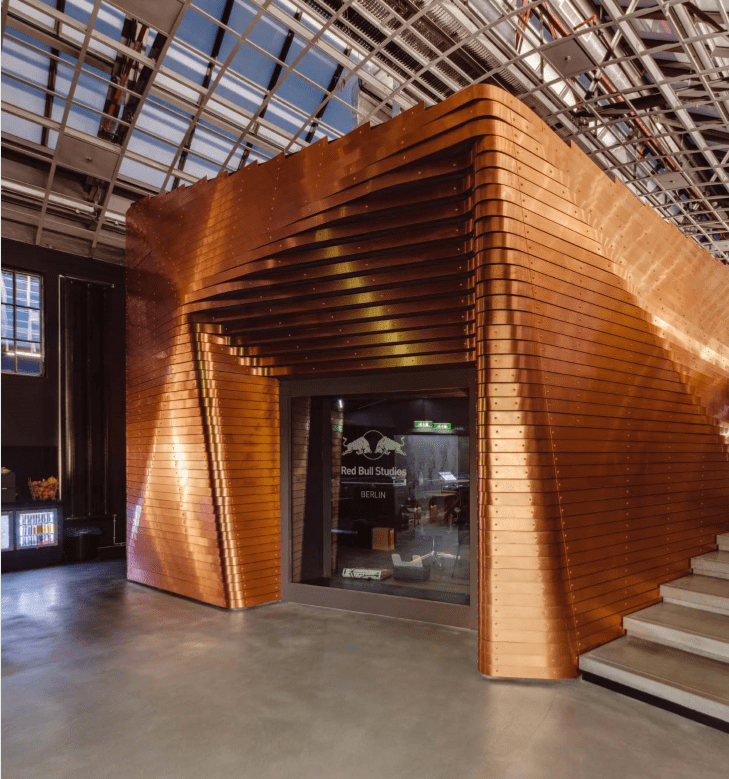
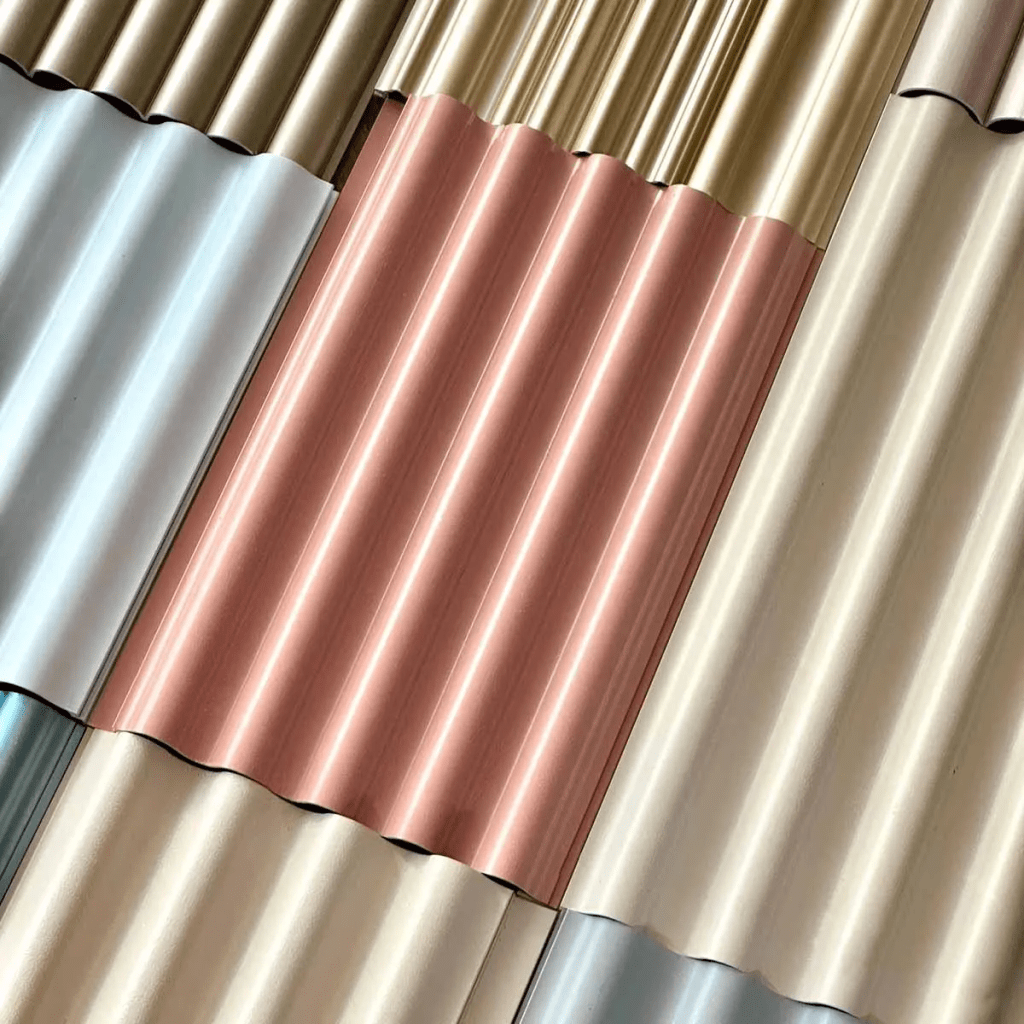
Siding & Cladding Materials
Options include vinyl, fiber cement, metal panels, stone veneer, and brick veneer.
Chosen for durability, insulation, and aesthetics.
Copper alloys are among the most durable, reliable, and high‑performance materials used in mechanical, electrical, and plumbing (MEP) systems. The research you surfaced highlights several reasons why copper alloys remain the gold standard for pipes, wiring, and HVAC components.
Below is a structured explanation grounded in the sources you triggered.
1. Exceptional Electrical & Thermal Conductivity
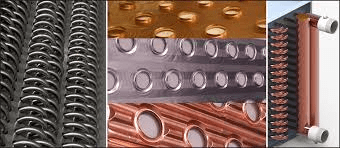
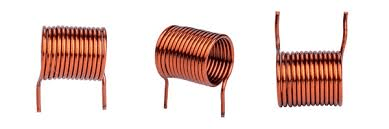
Copper and its alloys have industry‑leading conductivity, which is why they dominate electrical wiring and HVAC heat‑exchange components.
Copper’s electrical and thermal conductivity is highlighted as one of its defining advantages.
High conductivity means:
Less energy loss in wiring
More efficient heat transfer in HVAC coils
Better performance under load
This is why copper remains the preferred material for electrical wiring, busbars, and HVAC coils.
2. High Corrosion Resistance
Copper alloys resist corrosion extremely well—even in harsh environments.
The Copper Development Association notes that copper alloys have strong resistance to corrosion and stress corrosion cracking.
This makes them ideal for:
Plumbing pipes
HVAC coils
Outdoor mechanical systems
Marine or coastal installations
Copper alloys form a protective oxide layer that prevents long‑term degradation.
3. Fire Resistance & High‑Temperature Stability
Copper alloys maintain strength and conductivity even at elevated temperatures.
Research shows copper alloys retain mechanical and electrical properties under thermal stress.
This makes them safer and more reliable for:
Electrical wiring
Fire‑rated systems
High‑temperature HVAC components
Unlike plastics, copper does not melt, burn, or release toxic fumes.
4. Mechanical Strength & Durability
Copper alloys offer a strong balance of strength, ductility, and formability.
Tensile and mechanical properties are well‑documented across hundreds of copper‑based alloys.
This allows copper alloys to:
Withstand pressure in plumbing systems
Resist vibration and fatigue in HVAC systems
Maintain structural integrity over decades
This is why copper pipes often last 50–100 years in buildings.
5. Antimicrobial Properties (Bonus Advantage)
Copper has natural antimicrobial behavior.
The Copper Development Association highlights copper’s intrinsic antimicrobial properties and EPA‑validated performance.
This is especially beneficial in:
Hospitals
Schools
High‑touch mechanical systems
While not the primary reason for MEP use, it’s a valuable added benefit.
6. Sustainability & Recyclability
Copper alloys are 100% recyclable without losing performance.
Sustainability and recyclability are emphasized in modern copper alloy research.
This supports:
LEED certification
Circular construction practices
Long‑term material efficiency
Copper is one of the most recycled metals in the world.
Summary Table: Why Copper Alloys Excel in MEP Systems
Non-combustible; high melting point; no toxic fumes
Safer electrical systems, compliance with fire codes
Compatibility
Works well with standard fittings, solders, and joining methods
Predictable performance and easier system integration
Longevity
Proven multi-decade lifespan in real-world installations
Lower lifecycle cost and fewer replacements
Sustainability
100% recyclable without performance loss
Supports green building goals and material circularity
Bottom Line:
Copper alloys are extremely effective for MEP systems because they combine:
High conductivity
Corrosion resistance
Mechanical durability
Fire safety
Long service life
Sustainability
This makes them one of the most reliable materials for pipes, wiring, and HVAC components in both commercial and residential buildings.
In certain locations the readiness of raw materials is industrialized and incorporated within the budget for building adequate buildings reducing on-site maintenance costs. The production of these materials creates more jobs for builders, exploiting expansions of industrial plaza, residential areas and shopping plazas keeping communities engaged within those areas.
Major projects accommodating education, transportation, and Community centers pursuits in these locations.
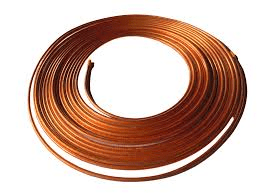
Copper is one of the most studied and widely used metals in engineering, construction, and MEP systems. Its properties make it indispensable for electrical wiring, plumbing, HVAC components, and architectural applications.
1. Physical Properties of Copper
Copper’s physical characteristics are what make it so valuable in electrical, thermal, and architectural applications.
Key Physical Properties
Distinctive reddish‑orange metallic luster
Excellent electrical conductivity (second only to silver among pure metals)
High thermal conductivity — ideal for heat exchangers and HVAC coils
Very ductile and malleable — easily drawn into wires or hammered into sheets
Moderate melting point:
(1357.77 K)
Boiling point:
(2835 K)
Density:
8.96 g/cm³
Corrosion resistance — forms a protective oxide layer in air
2. Mechanical Properties of Copper
Copper’s mechanical behavior makes it ideal for piping, wiring, and mechanical components.
Key Mechanical Properties
High ductility — can be stretched into thin wires without breaking
High malleability — can be shaped or rolled easily
Good tensile strength (varies by alloy and temper)
Tensile properties are detailed in engineering guides for copper alloys
Excellent formability — suitable for extrusion, forging, and cold forming
Good fatigue resistance — important for HVAC vibration environments
Work‑hardening capability — copper strengthens when mechanically deformed
3. Chemical Properties of Copper
Copper’s chemical behavior is central to its corrosion resistance and antimicrobial performance.
Key Chemical Properties
Common oxidation states: +1 and +2
Reacts with oxygen to form:
Copper(I) oxide (Cu₂O)
Copper(II) oxide (CuO)
Does not react with water, but slowly reacts with atmospheric oxygen to form a protective layer
Forms green patina (copper carbonate) over time in moist air
High corrosion resistance due to stable oxide films
Acts as a catalyst in many chemical reactions
Intrinsic antimicrobial behavior — scientifically validated and documented in copper alloy research
Summary Table:
Property Type
Key Characteristics
Sources
Physical
High electrical thermal conductivity, ductile, malleable, corrosion‑resistant, moderate melting point
Copper mineral
Mechanical
Strong, formable, ductile, good tensile strength, work‑hardening
Copper Alloys
Chemical
Oxidation states +1/+2, forms oxides, corrosion‑resistant, catalytic, antimicrobial
Copper Catalysts
Here are The Scientific Evidence That Copper Has Intrinsic Antimicrobial Properties
Modern research overwhelmingly confirms that copper and its alloys naturally kill bacteria, viruses, and fungi without needing chemicals or coatings. This antimicrobial action is intrinsic—it comes from the metal itself.
Below are the key scientific findings supported by peer‑reviewed studies and authoritative reviews.
1. Copper Generates Reactive Oxygen Species (ROS)
Extensive research shows that copper ions trigger the formation of reactive oxygen species, which damage microbial cells.
Copper’s antimicrobial mechanism is “multifaceted,” with ROS generation being the main bactericidal mechanism, causing irreversible membrane damage.
ROS attack lipids, proteins, and DNA, leading to rapid cell death.
Why this matters: ROS generation is a built‑in chemical property of copper—this is one of the strongest proofs that its antimicrobial activity is intrinsic.
2. Copper Ions Disrupt Cell Membranes
Copper ions penetrate and destabilize microbial membranes.
Copper complexes “disrupt microbial membranes” and compromise membrane integrity.
This leads to leakage of essential nutrients and rapid cell collapse.
Why this matters: Membrane disruption is a universal antimicrobial mechanism effective against bacteria, fungi, and viruses.
3. Copper Causes DNA and RNA Damage
Copper ions bind to and degrade genetic material.
Copper complexes interact with DNA and proteins, causing DNA cleavage and enzyme inhibition.
Copper ions released from surfaces lead to RNA degradation in viruses.
Why this matters: This explains why copper kills even antibiotic‑resistant bacteria and enveloped viruses.
4. Copper Destroys a Wide Range of Microorganisms
Historical and modern studies show copper kills bacteria, fungi, and viruses at extremely low concentrations.
Copper inhibits numerous microbes including Bacillus, Candida, Aspergillus, and others, even at low concentrations.
Some organisms are completely inhibited at concentrations as low as 0.04 g/L.
Why this matters: This broad‑spectrum activity is rare and demonstrates copper’s intrinsic toxicity to microbes.
5. Copper Alloy Surfaces Kill Pathogens on Contact
Scientists have repeatedly demonstrated that copper alloy “touch surfaces” destroy harmful microorganisms.
Research confirms the intrinsic efficacy of copper alloy surfaces in killing a wide range of pathogens that threaten public health.
Why this matters: This is why copper is used in hospitals, transit systems, and high‑touch public environments.
6. The Oligodynamic Effect
Copper ions exhibit the “oligodynamic effect”—a toxic effect on microbes even at very low concentrations.
The oligodynamic effect was identified in 1893 and applies to copper ions, which kill bacteria, fungi, spores, and viruses at low doses.
Why this matters: This effect is a fundamental chemical property of copper, not a surface treatment.
Summary: What Science Have Proven
Across multiple independent studies:
Copper releases ions that damage membranes, DNA, and RNA.
Copper generates ROS that kill microbes.
Copper surfaces continuously kill bacteria and viruses.
Copper works at extremely low concentrations (oligodynamic effect).
Tensile strength ~275–380 MPa; good weldability; good toughness
Outstanding resistance to seawater corrosion and biofouling
70/30 Copper‑Nickel
C71500
70% Cu, 30% Ni
Lower conductivity; very high corrosion resistance
Tensile strength ~350–500 MPa; high strength; good fatigue resistance
Superior resistance to erosion, stress corrosion, and seawater
Brief Summary of Copper and Its Alloys
Copper and its alloys stand out as some of the most reliable and durable engineering materials used in modern construction and MEP systems. Their exceptional mechanical strength, corrosion resistance, and long service life make them ideal for demanding environments ranging from residential plumbing to large‑scale commercial HVAC and electrical infrastructure. Copper’s excellent formability allows it to be drawn, rolled, extruded, or shaped into complex components without losing structural integrity, supporting efficient manufacturing and installation.
Beyond performance, copper is inherently sustainable. It is 100% recyclable without any loss of properties, enabling a fully circular material lifecycle that reduces environmental impact. Its intrinsic antimicrobial behavior—a natural ability to deactivate bacteria, viruses, and fungi—adds a unique health and safety advantage, especially in high‑touch or high‑traffic environments.
Copper alloys such as brasses, bronzes, and copper‑nickels expand this versatility even further. By adjusting alloying elements like zinc, tin, aluminum, or nickel, engineers can tailor strength, corrosion resistance, conductivity, and wear performance to meet specialized requirements. This combination of reliability, durability, sustainability, formability, and intrinsic functional benefits is why copper and its alloys remain foundational materials across the built environment.


 SVENFLY