Autumn is the Best Time to Celebrate Colors

During autumn months most of leaves on trees turn to red, yellow, orange, brown and pale green colors due to the cold weather. The temperature in these regions gets cold and harvesting, canning, crafts and sales takes place. On some occasions, storage of goods can be costly driving up liquidation.

Most parks and trails are packed with campers, others come during the day just to enjoy nature walks and picnics playing games, having marshmallows’ smores, telling folktales and gathering around campfires in the evenings and nights.

The fallen leaves create openings inviting distance scenes with attractive colors spreading and creating dramatic sceneries. As the fallen leaves’ scatters, they reveal glimpses of distance landscapes, where vibrant colors tend into breathtaking scenes.

With these fallen leaves, emerging distance places framed by stitches of autumn hues, paints dramatic sceneries. The shedding trees open windows to faraway views where brilliant colors ripple across the land in spectacle of seasonal drama.

Quotes of the Day

“The existence of Humans creates opportunities for Humans.” By Valerie Njee.

Eating Together as a Family is Healthy and Necessary

It’s always necessary to eat together as a family. During mealtime, coming together and having a common meal gives everyone a chance to have open interactions and discussions about the meal and whatever is going on around us and globally.

Discussions during family meals can be broadly categorized into catching up on the day, sharing stories, discussing opinions and planning for the future.

The topics range from daily events, schoolwork, and current events to personal memories and future plans, creating an opportunity for communication, bonding, and family connection.

Daily life and activities recapping the day:

Each member shares highlights or challenges from their day.

School and Work:

Discussing upcoming tests, homework, or professional projects.

Extracurricular Projects:

Talking about sports, clubs, or other activities.

Personal experiences and stories.

Sharing Memories:

Remembering about funny, happy or significant family stories from the past.

Ancestral History:

Sharing stories about where your ancestors originated.

Personal Interests:

Discussing hobbies, books, or new things learned online.

Opinions and Perspectives

Current Events:

Discussing age-appropriate activities and news or interesting topics from the world.

Thought-Provoking Questions:

Posing questions to encourage different perspectives and opinions.

Family Values:

Transmitting family values and beliefs through conversations.

Future plans and coordination for Upcoming events:

Discussing upcoming holidays, family events or weekend plans.

Coordination:

Confirming schedules and who is responsible for what.

Future Goals:

Talking about personal or family goals for the coming week or year.

Relationship building Asking Questions:

Parents can ask questions to learn more about their children.

Laughter and inside jokes:

Keeping the atmosphere light and fun with jokes and pleasantries.

Eating Together Matters:

Eating dinner with family provides time for conversation.

Parents can teach healthy communication skills without distractions from smartphones.

Here are some practical ways they can foster strong communication habits:

🧠 Strategies for Teaching Healthy Communication

  • 📵 Create Tech-Free Zones Designate times and spaces (like dinner or bedtime) where phones are put away, encouraging face-to-face interaction.
  • 👂 Practice Active Listening Show children how to listen without interrupting, maintain eye contact, and respond thoughtfully. This builds empathy and patience.
  • 🗣️ Model Clear Expression Use “I” statements (“I feel…” instead of “You always…”) to express emotions and needs without blame. Kids learn by example.
  • 🔄 Encourage Turn-Taking In conversations, teach the value of waiting for one’s turn to speak. This helps children respect others’ voices.
  • 📚 Use Storytelling and Role Play Create scenarios where kids practice resolving conflicts, expressing gratitude, or asking for help — all without screens.
  • 💬 Reflect and Reframe After disagreements, guide children to reflect on what was said and how it could be phrased more constructively.
  • 🎯 Set Boundaries Around Tech Explain why limiting screen time matters for relationships. Involve kids in setting family rules around device use.

5 Benefits of Eating Together as a Family – Making time for family meals is worth the effort.

Sitting together and sharing a meal provides families with an opportunity to bond, improve their nutrition, better academic performance, healthier habits, and emotional well-being.

1. Stronger Family Bonds

Sharing meals fosters connection. It’s a chance to talk, laugh, and check in with each other — building trust and emotional closeness.

2. Improved Nutrition

Families who eat together tend to consume more fruits, vegetables, and balanced meals. Home-cooked food often means fewer processed ingredients and better portion control.

3. Better Academic Performance

Children who regularly eat with their families often show improved vocabulary, reading skills, and school performance — thanks to richer conversations at the table.

4. Healthier Habits

Family meals help establish routines, reduce risky behaviors in teens, and promote mindful eating. Kids learn by watching adults make healthy choices.

5. Emotional Well-being

Eating together provides a sense of stability and belonging. It can reduce stress, anxiety, and feelings of isolation — especially during busy or challenging times.

Dinnertime is a time of respite despite the hustie-bustie of everyday life.

🍽️ Dinnertime: A Daily Respite

In the hustle and bustle of everyday life, dinnertime offers a rare pause — a moment to reconnect, reflect, and recharge. It’s not just about food; it’s about presence, conversation, and the comfort of shared routine.

Family can review the day’s events and plan accordingly for future days.

The science behind family Dinners – It’s not just about family meals, is that they bring so many good things that’s have nothing to do with the meal.

The significance of Eating Together as a Family – Decide to Commit:

“I believe that sitting around the table with the family can make a significant difference in physical health, psychological status and can strengthen family bonds.”

This simple act — gathering for a meal — nurtures more than just the body. It fosters connection, stability, and shared values in a world that often pulls us in different directions.

In a world of packed schedules and digital distractions, making time for shared meals is a conscious choice — and a powerful one. Here’s why that commitment matters:

  • 💬 Builds Communication Rituals Regular meals create space for open dialogue, storytelling, and emotional check-ins — habits that strengthen family bonds.
  • 🧠 Supports Mental and Emotional Health The predictability of shared meals offers comfort and stability, especially for children navigating stress or change.
  • 🥗 Encourages Healthier Eating Families who eat together tend to make more nutritious choices, fostering lifelong habits around balanced meals and portion awareness.
  • 📆 Reinforces Routine and Responsibility Committing to mealtime teaches time management, shared responsibility (like setting the table or helping cook), and respect for others’ schedules.
  • 🌱 Models Values and Culture Mealtime becomes a space to pass down traditions, express gratitude, and reinforce family values — whether through prayer, conversation, or shared dishes.

🧾 Conclusions: The Power of Eating Together as a Family

  • Intentional Commitment Matters Choosing to prioritize shared meals is a conscious act that strengthens family bonds and nurtures emotional well-being.
  • Mealtime Builds Communication Sitting together fosters open dialogue, active listening, and deeper understanding — essential for healthy relationships.
  • Physical and Mental Health Benefits Families who eat together tend to enjoy better nutrition, reduced stress, and greater emotional stability.
  • Cultural and Value Transmission Shared meals are a space to pass down traditions, reinforce values, and celebrate identity through food and conversation.
  • Respite in a Busy World Amid the hustle and bustle, dinnertime offers a moment of pause — a daily ritual that grounds families in connection and care.

🧠 Psychological Conclusions of Family Mealtime

  • Emotional Security Regular family meals create a predictable routine that fosters a sense of safety and belonging — especially important for children and adolescents navigating emotional development.
  • Reduced Risk of Mental Health Issues Studies show that teens who eat with their families are less likely to experience depression, anxiety, and substance abuse. The consistent social support acts as a buffer against stress.
  • Improved Self-Esteem and Resilience Conversations at the table help children feel heard and valued, which boosts confidence and teaches emotional regulation through modeled behavior.
  • Social Skill Development Mealtime is a natural setting for learning empathy, turn-taking, and respectful disagreement — all foundational to healthy interpersonal relationships.
  • Intergenerational Connection Sharing stories, traditions, and values during meals strengthens identity and continuity, which are key to psychological resilience.


American Pelicans

Gallery

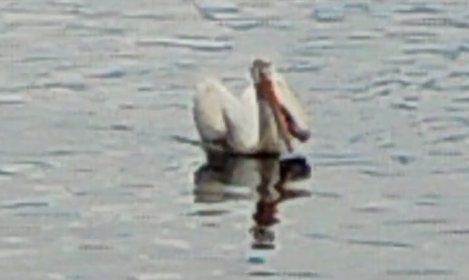
The American Pelicans are impressive bird in many ways. Its wingspan is one of the widest of any North American bird. It’s also one of the heaviest flying birds in the world, weighing up to 30 pounds. Pelicans breeds on islands in freshwater lakes, wetlands, and oceans. Forages on fresh or saltwater estuaries, marshes, lakes, or rivers.

SHORT DESCRIPTION:

  • Scientific Name: Pelecanus erythrorhynchos
  • Population: 450,000
  • Trend:  Increasing
  • Habitat: Breeds on islands in freshwater lakes, wetlands, and oceans. Forages on fresh or saltwater estuaries, marshes, lakes, or rivers.

ABOUT:

The American Pelicans are impressive bird in many ways. Its wingspan is one of the widest of any North American bird. It’s also one of the heaviest flying birds in the world, weighing up to 30 pounds. A flock of these pelicans on the water or soaring high in blue sky creates an impressive sight.

Both sexes of American Pelicans look alike, with snow-white plumage set off by black wing feathers that are most noticeable in flight. Bill, legs and feet are pale orange. Juveniles are dusky white or brown with pale yellow bills and feet.

Like many waterbirds such as the Great Egret, the American Pelicans becomes more colorful during its breeding season, with the bare skin around the eye, legs and feet changing to a vivid red-orange, and a light-yellow crest growing atop its head.

A more unusual feature of this species is the strange-looking “horn” or ridge that grows atop its upper bill during the breeding season.

Titillating Tubercles

The “horn” on the upper bill of an adult American Pelicans are fibrous growth known as the nuptial tubercle. This odd growth develops in both sexes during the breeding season and is thought to contribute to its mating displays and perhaps signal breeding fitness. The nuptial tubercle frays and splits as the season goes on, and eventually sheds off, to regrow the next year.

SONGS and SOUNDS:

The adult American Pelicans are silent species, only giving low, grunting calls, usually heard at colony sites. The young are far noisier – even pelican embryos can emit loud squawks inside the egg in response to overheating or chilling. Groups of young make loud begging calls, raising a clamor that can be heard from a long distance away!

Listen to a variety of American Pelicans sounds here.

Breeding and Feeding

The American Pelican are highly social and seasonally monogamous, pairing up quickly after arriving at their large colony sites, usually located on isolated lake or marsh islands. Courtship consists of circular flights over the colony, often in groups, and a variety of displays on the ground, including strutting, bowing, and head swaying.

A mated pair works to build their nest, a simple scrape on the ground, sometimes edged with a shallow rim of vegetation. Average clutch size is two eggs, and both adults share incubation duties for close to a month, warming the eggs under their large, webbed feet, a behavior that occurs only in pelicans and some pelican-like birds, such as Brown Booby and Brandt’s Cormorant. The young hatch naked and blind, but their eyes open within a day, and they quickly develop coverings of brown/white/black down.

Life in the nest is competitive and dangerous. Older nestlings often kill their younger siblings or push them out of the nest, particularly in times of food scarcity. This seemingly cruel behavior, called siblicide, has a practical purpose: If there is enough food, more chicks survive; if not, only the strongest make it to adulthood. Siblicide occurs in other birds such as the Great Horned Owl, Red-tailed Hawk, and Great Blue Heron. 

Both pelican parents feed their young by regurgitating food. After several weeks, hatchlings leave the nest and congregate in large groups, known as pods or crèches. These groups provide protection from predators while parents are away foraging. Young pelicans leave the pod each day to return to the vicinity of their nest, where their parents continue to feed them. The young fledge after 2-3 months and leave the colony soon after.

Dipping for Dinner

Unlike the Brown Pelican, which usually plunge and dives for food, the white Pelicans feeds on or just below the water’s surface. Groups cooperate to drive prey into shallow water for easier capture, then feed in graceful, synchronized dipping maneuvers, sometimes completely encircling their prey while they feed.

Small fish, amphibians, smaller marine life and shrimps are favored food items, but this species is opportunistic and will alter its diet in response to changing water levels or prey abundance. Migrating birds will readily forage at aquaculture farms.

Like the Bald Eagle, the American Pelicans are also a kleptoparasite, stealing food from other birds, including other pelicans and cormorants, when the opportunity presents itself.

REGION and RANGE

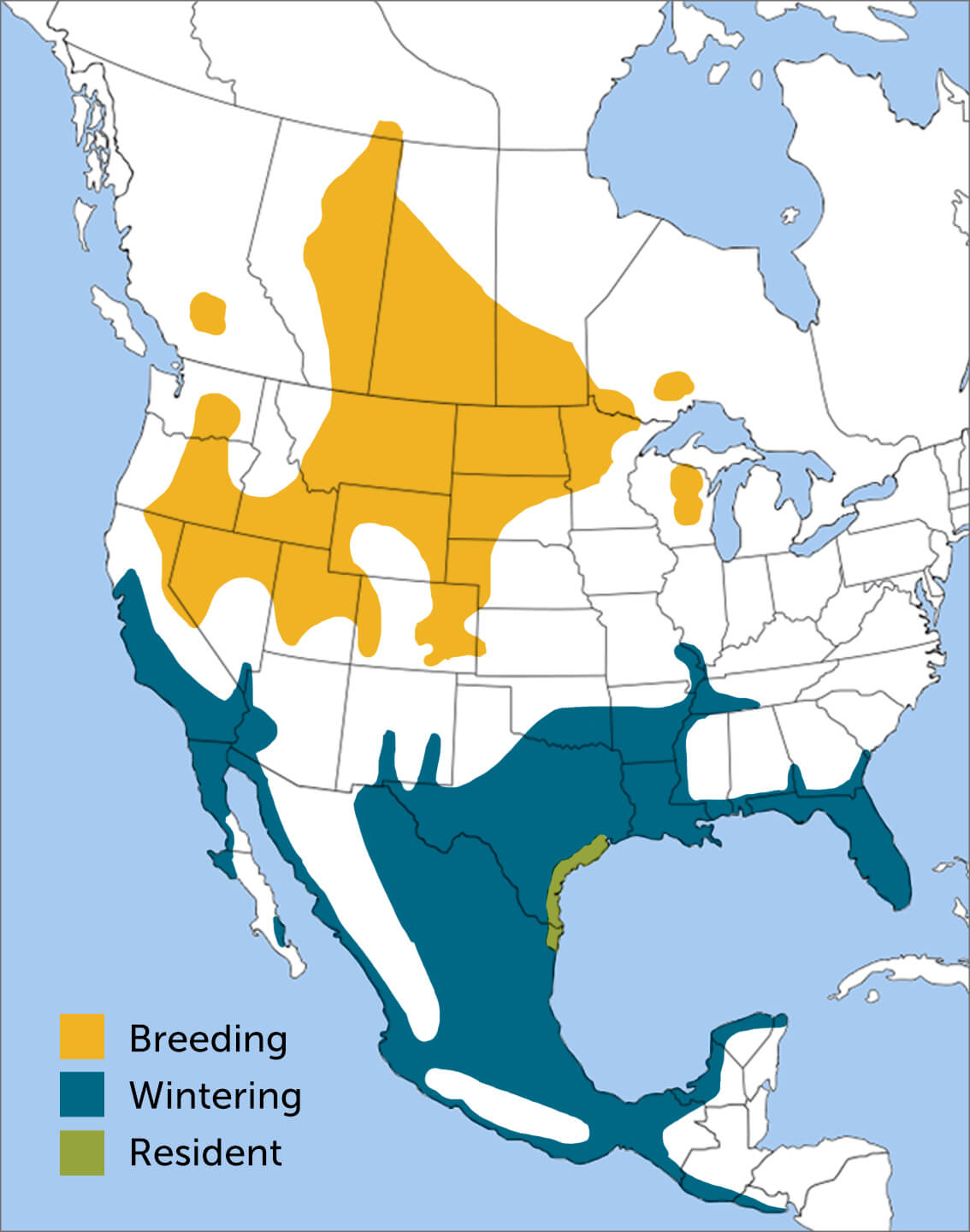
American Pelicans range map

The American Pelicans nests in two fairly distinct populations. The first concentrates west of the Rocky Mountains in British Columbia, California, Nevada, Utah, and Idaho. These birds winter along the Pacific coast, from California south to Nicaragua.

The second population of American Pelicans nests in the Canadian prairie provinces and upper Midwest states, migrating primarily southward and eastward towards the Gulf of Mexico.

American Pelicans are daytime migrants, travelling in V-shaped flocks of up to several hundred birds. Like the Turkey Vulture and Swainson’s Hawk, it takes advantage of energy-saving thermals as it flies. Non-migratory populations are resident in Texas and Mexico.

CONSERVATION:

American White Pelicans populations declined by the mid-twentieth century due to overhunting and chemical pesticides such as DDT. Although these issues have been largely addressed, this species remains vulnerable to habitat loss on its foraging and breeding grounds. They may also be shot as pests at aquaculture farms. 

The American White Pelicans especially sensitive to human disturbance and will abandon its eggs and young if a breeding colony is approached too closely.

Image

KANGAROO COMICS – EPISODE 437

NoHo Arts District Development

District NoHo will be constructed in multiple phases over a 15-year period. The first phase will include the consolidation of the transit facilities at Metro’s North Hollywood Station. This would begin after project approval by the City and the Metro Board, which was anticipated in early 2024.

Read more>>>

Noho Arts is Attracting Newer Generation of Arts Enthusiasts

NoHo Arts is attracting newer generation of Arts enthusiasts. This is drawing a different crowd into visual arts platform with a twist to boost the interest of Arts lovers coming up with attractive pieces for indoors and outdoors decorations.

NoHo Arts District – Artofit

Art lovers have a plethora of options for creating attractive indoor and outdoor decorations. Here are some popular pieces:

Indoor Decorations:

  1. Artwork: Paintings, prints, and sculptures can add a personal touch to any room.
  2. Mirrors: Strategically placed mirrors can reflect light and create a sense of space.
  3. Throw Pillows: Cozy and colorful throw pillows can enhance the comfort and aesthetics of indoor spaces.
  4. Rugs: Beautifully patterned rugs can anchor a room and add warmth.
  5. Candles: Scented candles can create a relaxing ambiance and add visual appeal.

Outdoor Decorations:

  1. Hanging Planters: These can add greenery and visual interest to your outdoor space.
  2. Outdoor Furniture: Weather-resistant furniture like wicker, teak, and rattan pieces can create a comfortable outdoor living area.
  3. Garden Statues: Sculptures and statues can serve as focal points in your garden or yard.
  4. String Lights: These can create a magical atmosphere in your outdoor space, especially at night.
  5. Water Features: Fountains or small ponds can add a soothing element to your garden.

These pieces can help you create beautiful and inviting spaces both indoors and outdoors.

In Los Angeles, NoHo Arts Festival drew many artists from mixed generations expressing their love using NoHo media to demonstrate old and new expressions and impressions.

Los Angeles: NoHo Arts District Festival

The NoHo Arts Festival in Los Angeles is a vibrant celebration that brings together artists from various generations. They use a mix of traditional and contemporary media to express their creativity and share their unique perspectives. This festival is a fantastic opportunity to see a diverse range of artistic expressions, from paintings and sculptures to digital art and performance art.

It’s always inspiring to see how different generations interpret and convey their love for art.

Good Financial Habits to Improve Your Lifestyle

Most people know the importance of setting good financial habits and practices that helps them reach their short and long-term life goals.

However, a common mistake many people make when deciding to improve their financial lives is getting ambitious. They may try to follow too many habits and struggle to maintain these financial habits.

What’s the solution to this recurring issue? Tanya Peterson, vice president of brand with Achieve, said to start with choosing just one or two habits. Here are eight financial habits you can set, and follow, each day to improve your overall financial health.

Pay Bills on Time

You might already be practicing this financial habit on a regular basis! Make bill payments on time. Peterson said you can do this by setting up a system. Consider using an app, online calendar or a paper file on your desk that you’ll use consistently to make timely bill payments.

Earn Cash Back Every Day

Earning cash back is a great, effortless way to put a little money back in your pocket. With the Discover® Cashback Credit Card, unlimited by category (unlike many cashback opportunities that are limited to purchases such as food or travel).

Check Accounts Daily

How much do you have in checking and savings? Valerie Moses, senior relationship manager at Addition Financial, said to get into the habit of checking your accounts each day.

There are a few benefits to checking in daily. Moses said you’ll know how much money is available at all times and will be able to avoid overdrawing your accounts. It’s also an easy way to detect any fraud that may have taken place. If you believe something has happened, Moses said you can stop it in its tracks and mitigate its effects. It’s also easier than ever to keep an eye on our finances by using online and mobile banking apps.

Practice Habit Stacking

What is habit stacking and what does it have to do with personal finance? Alvin Carlos, financial planner at District Capital Management, said habit stacking is the practice of attaching a financial habit with an existing habit. This helps to stay focused on the financial habit.

Carlos uses the example that you may check your finances after going for a weekend run or after having coffee on Saturday morning. He also recommends adding a recurring event in your calendar that allows you to review your finances once a month.

Automate Saving 10% From Every Paycheck

As soon as you are able, Peterson said to make saving a habit. Start by saving 10% (more if possible and less if necessary) from each paycheck. 

“Make it a habit by automating, so it doesn’t become a decision on ‘should I or should I not save’ a certain amount,” Peterson said. “Banks and credit unions generally let you arrange automatic withdrawal from your checking account to a savings account. Employers often can do automatic deposit of a portion of a payment into a savings account, too.”

Create and Stick to a Budget

If you don’t already have a budget, it’s time to create one. If you do have a solid budget, continue to keep using it. Moses said that creating and sticking to a budget is one of the best financial habits anyone can implement. 

“Having a budget in place will give you direction on where your money is going and help you make every dollar count,” Moses said.

Remember, however, that every budget looks different depending on the unique needs and priorities of your household. Moses recommends reevaluating your budget regularly to determine what’s working and what isn’t.

Look For Small Ways To Save

Amid inflation and rising cost-of-living expenses, Peterson recommends looking for small ways to save money. Think washing clothes in cold water instead of hot water and creatively making a few meals using what you have in your pantry and refrigerator instead of running out to the store.

“Perhaps small things will seem insignificant, but getting in this habit develops smart spending,” Peterson said. “Small things will add up — and you might find you’re eating and living healthier, too.”

Set Financial Goals

Financial habits made to stick require purpose. Once you know which financial habits you’d like to start using and you’re able to follow through with these habits, Peterson recommends taking time and effort to determine how these habits will allow you to reach short- and long-term financial goals. This includes retiring at a certain age, going on vacation, having time to pursue a hobby or buying a new TV.

Moses said that keeping financial goals in mind also makes it easier to avoid impulse purchases and stick to your budget. Financial goals not only improve your daily life, but set you up for success in the future.

“Once you focus on what you want to do in life, creating the saving and spending habits that will get you there will become infinitely easier,” Peterson said.

Houses in Kangaroo city with trees along the paths

kangaroo comics – episode 107

kgoo107

Image

KANGAROO COMICS – EPISODE 86

kgoo.85

Image

KANGAROO COMICS – EPISODE 87

kgoo87